White Paper · January 2026
HABITABLE
Housing as Capacity Infrastructure
A 10-Year Framework to End the Working Homeless Crisis
Executive Summary
The fastest-growing group of homeless Americans isn't unemployed — it's working.
HABITABLE is a 10-year research framework to test a new solution: housing capacity as infrastructure. Housing is not simply shelter — it is the platform that makes work, learning, health, savings, and ownership possible.
Our model combines: a clear ladder of Housing Capacity Units, Nesting Pods that reduce cost and waste, robotic fabrication with human assembly, and a Foundation-funded fellowship system that trains local builders who teach others — especially in Opportunity Zones.
10-Year Impact Targets
“Housing is not simply shelter. It is the platform that makes work, learning, health, savings, and ownership possible.”
— HABITABLE White Paper
The Crisis
“Workers in wealthy resort towns sleep in their cars because rent is out of reach — even while working full time. They are not outside the workforce. They are the workforce.”
— The New York Times, April 2025
Core Concept
What is Housing Capacity?
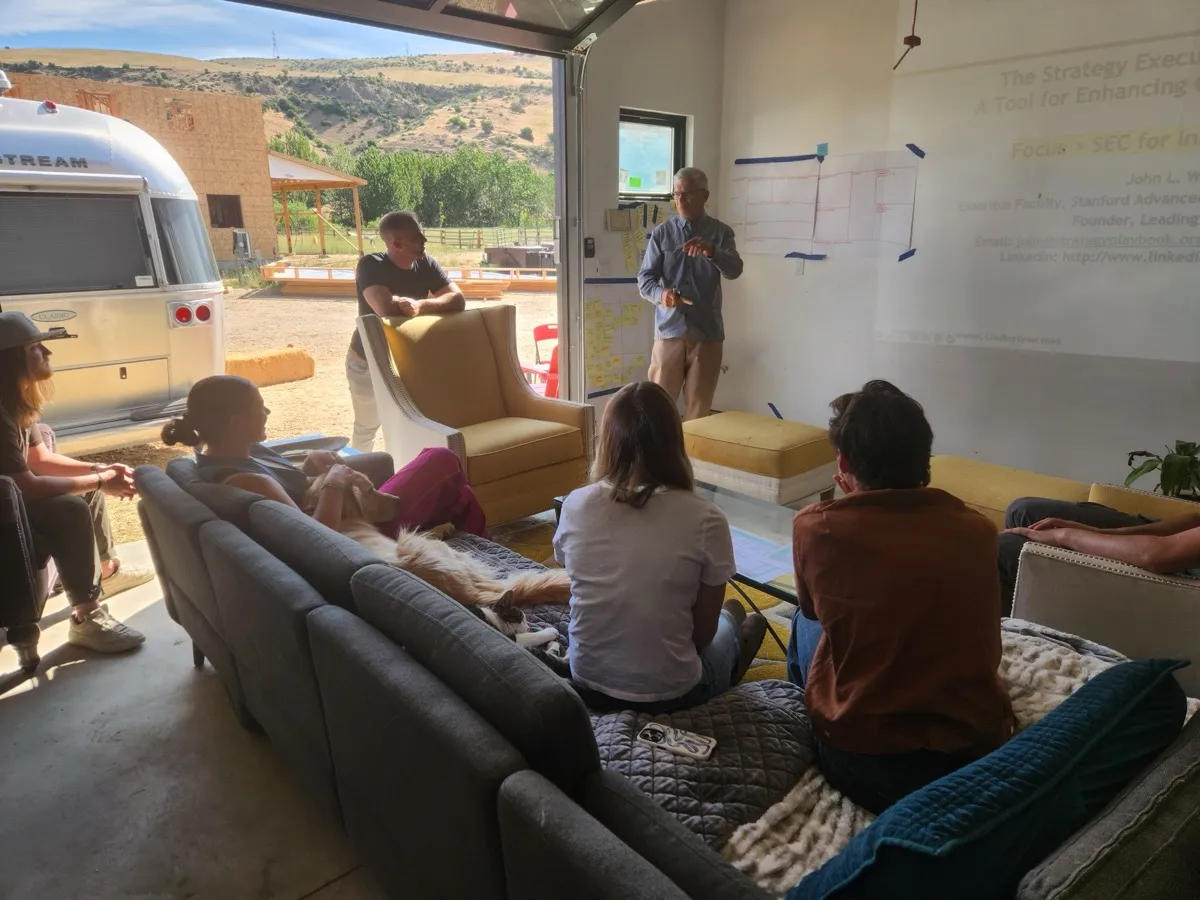
Housing capacity means housing is the platform for a stable life. When someone has stable housing, they can keep their job, complete training, stay healthy, save money, and build wealth. When housing disappears, capacity disappears — and everything becomes harder.
HABITABLE treats housing as capacity infrastructure and measures what housing restores: stability, employability, education outcomes, health, and ownership trajectories.
The HABITABLE Hypothesis
If we deliver laddered, affordable, environmentally responsible housing — paired with career training and community-based instruction — then working homeless households will increase stability and wealth, and communities will show measurable improvement in social repair.
Housing Capacity Units
Measure real housing capacity added to the system.
Career Units
Measure whether the model builds local capability and income pathways.
Social Repair Index
Measures whether the community becomes measurably healthier and more resilient.
The Framework
The HCU Ladder
Most systems stop at shelter. HABITABLE is a ladder designed to move working homeless households from crisis to stability to ownership to bankable housing.
Emergency housing that restores stability and safety so a person can work, sleep, and plan.
A permanent starter home — a first home — owned within 24 months through a supported pathway.
Income and net worth grow as graduates mentor and teach the next cohort.
Code-compliant, mortgage-ready housing and mainstream equity.
“Most systems stop at shelter. The HCU Ladder doesn't ask 'are you housed?' — it asks 'what can you do now that you're housed?'”
— HABITABLE Framework
The Unit
Why Nesting Pods Matter
Affordability
Reduces cost by shifting precision labor from the jobsite to robotic fabrication.
Speed
Parts arrive ready; assembly becomes teachable and repeatable.
Environment
Optimized cutting reduces waste and supports durable, efficient wood systems.
Workforce
Converts housing into a training engine and a career pathway.
The Method
Robotic Fabrication
(With Human Assembly)
Robots do the precision work. People do the assembly. The future of housing is built by humans — with robotic tools that multiply what humans can do.
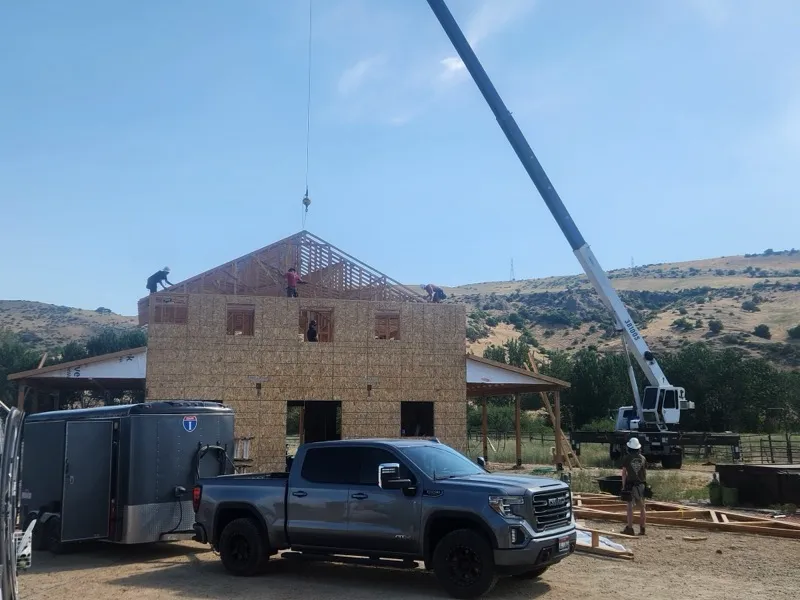
Robotic cutting increases dimensional accuracy, reduces rework, and reduces material waste.
Human assembly keeps the work local, teachable, and job-creating.
This shifts housing delivery from a scarce-skilled-labor bottleneck to a repeatable community build process.
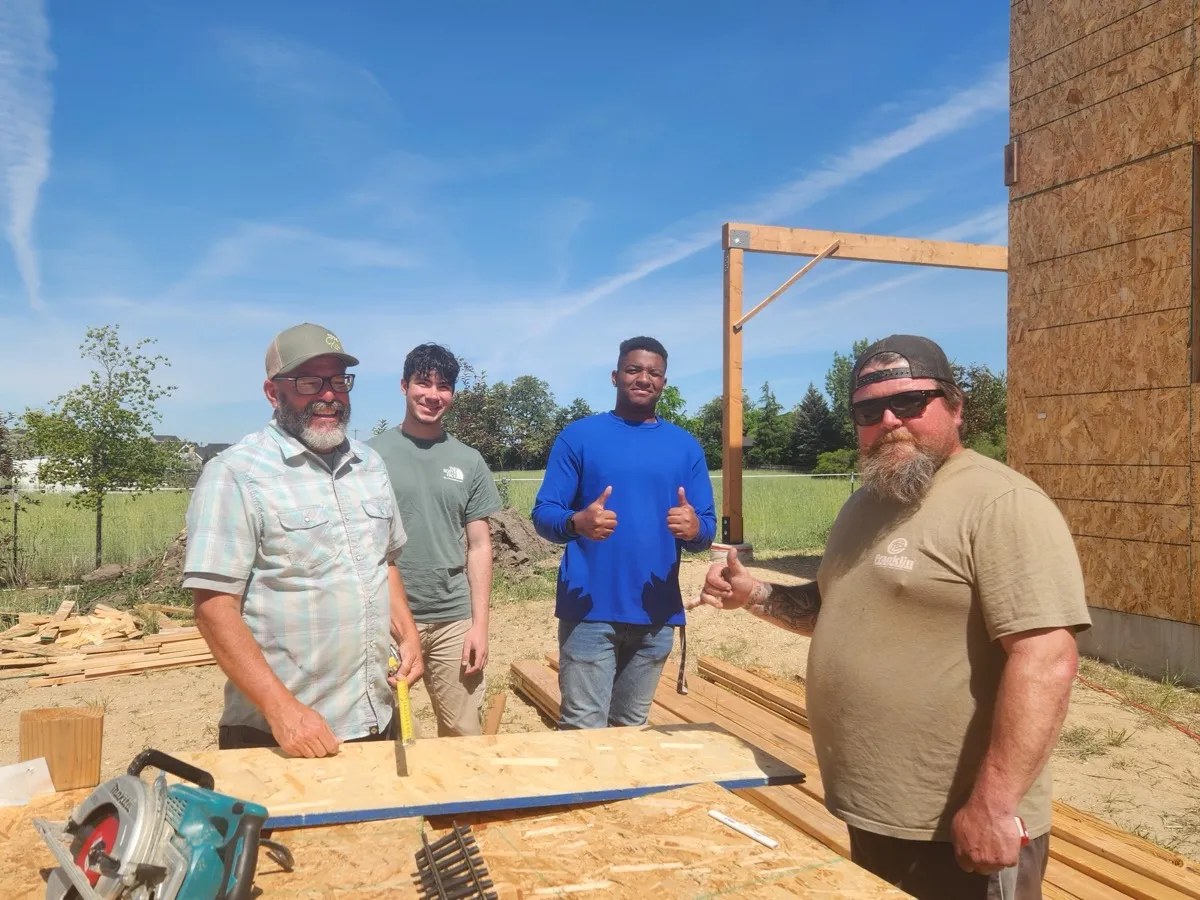
“We don't just build housing. We build builders — and builders build the next one.”
The Engine
How We Create Builders,
Not Just Buildings
A $5M endowment generates approximately $250K/year in perpetual funding to support workforce development and reduce barriers for working adults.

What the Endowment Funds
- Scholarships for Fellows to earn certification and employable skills
- Literacy training and basic education support
- Roth IRA matching to begin wealth-building early
- Health insurance reimbursements to stabilize participation and outcomes
- Build-your-first-house support to move participants into ownership
The Fellowship-to-Instruction Flywheel
“The fellowship model doesn't just build skills — it builds a self-sustaining ecosystem. Graduates become instructors, and instructors build the capacity of the next community.”
— HABITABLE Business Model
The Where
Opportunity Zones: Turning Capital Into Local Capacity
Opportunity Zones were created to attract investment into underserved communities, but many projects have focused on real estate outcomes without reliably improving resident outcomes. HABITABLE proposes tying investment to measurable resident outcomes — skills, jobs, stability, and ownership.
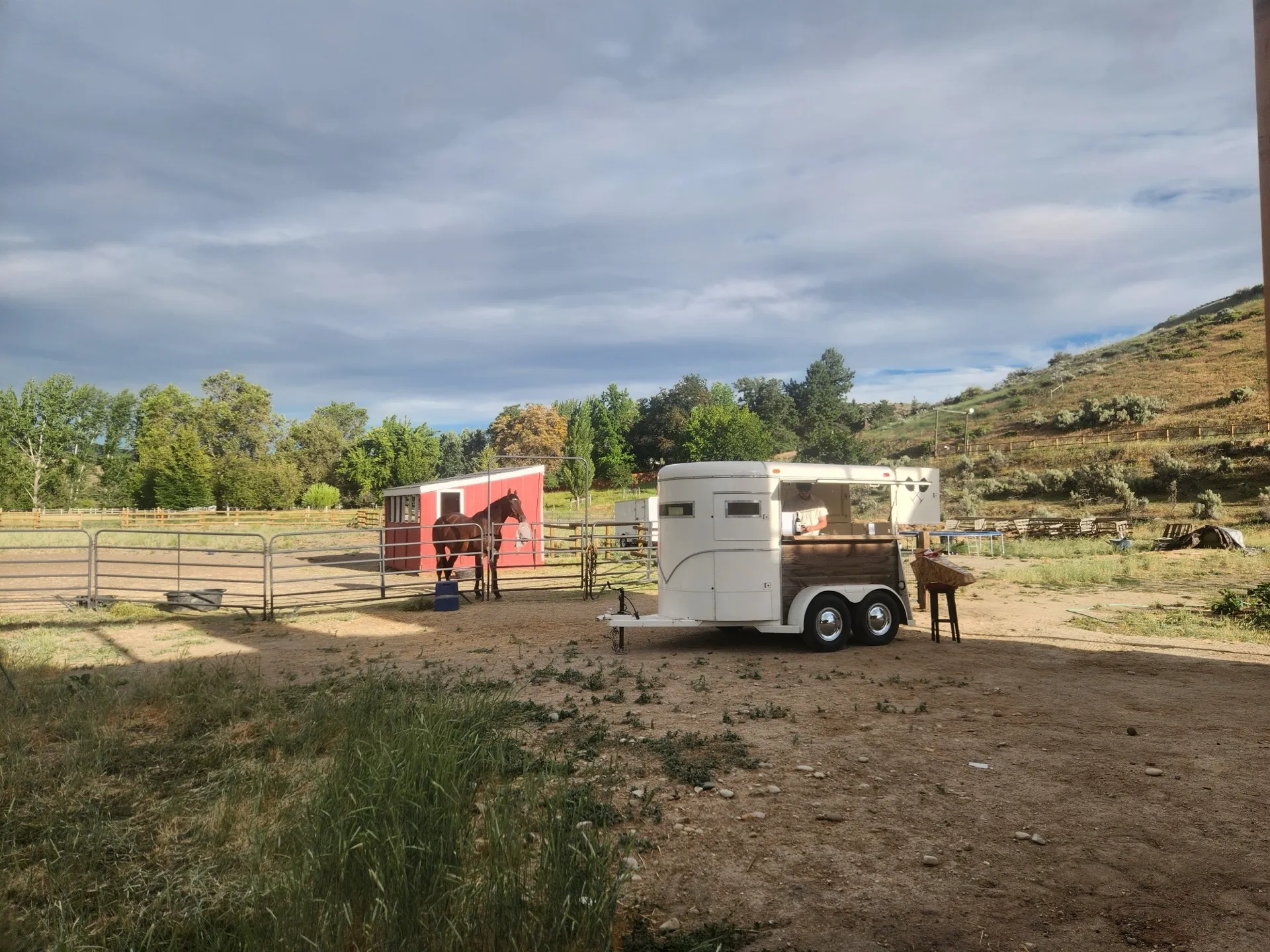
Recommended launch sequence
Boise (demonstration + visibility) → North Nampa (training + throughput) → Caldwell (replication + ownership pilots)
OZ Site Selection Criteria
The Model
Business Model
HABITABLE scales as a network, not a single factory. Digital fabrication enables kits to be produced with robotic precision, shipped flat, and assembled locally by certified builders.
The HABITABLE Value Chain
Revenue
- Kit sales (DIY / assisted / turnkey)
- Certification and training tuition (with Foundation scholarships)
- Licensing / network fees for certified builders who sell kits
Equity
- Scholarships + health support
- Roth IRA match
- Build-your-first-house funding
Public Accountability
Annual Impact Report
Each year we publish a public Impact Report — a simple report card showing exactly what we built and what changed. We track Housing Capacity Units deployed, Career Units completed, and Social Repair Index change. We include participant outcomes, what we learned, what we improved, and next-year goals. We do not measure success by activity. We measure capacity gained.
Policy Context
Policy Tailwinds
HABITABLE sites may be eligible for public incentives that support domestic wood product manufacturing, job creation in underserved areas, and energy-efficient new home construction.
USDA / US Forest Service Wood Innovations grants supporting domestic wood products and manufacturing.
Federal and state programs supporting domestic manufacturing and workforce training tied to local job creation.
IRS Section 45L energy-efficient home credits (based on certification pathway and home type).
Conclusion
The working homeless crisis is the workforce crisis.
HABITABLE is designed to test — rigorously and transparently — whether housing can be built like infrastructure and whether stability can be financed like strength. By year 10, our targets are clear: 10,000+ Housing Capacity Units, 1,000 Career Units, and a +20% improvement in Social Repair. We will publish annual results so the model can be audited, improved, and replicated.
Get InvolvedReferences
- 1.Rukmini Callimachi, "In a Snow Paradise, They Live in This Parking Lot," The New York Times (April 12, 2025).
- 2.U.S. Government Accountability Office, "Opportunity Zones: Improved Oversight Needed" (GAO-22-104019, 2021).
- 3.U.S. Forest Service, Wood Innovations Grant Program.
- 4.IRS, Section 45L Energy Efficient Home Credit.
- 5.McKinsey & Company, "How modular building could build on its strengths" (2023). Modular techniques may accelerate timelines by 20-50% and reduce costs by up to 20%.
- 6.McKinsey & Company, "Modular construction: From projects to products (in brief)" (2019). Schedule improvements of 20-50% and potential >20% cost savings at scale.
- 7.W. Lu et al., Resources, Conservation & Recycling 175 (2021): 105579. Study found 15.38% waste reduction vs conventional in 114 high-rise projects.
- 8.A. Hemmati et al., USDA Forest Service, Forest Products Laboratory (2024). Found 19% lower emissions for mass timber vs steel.
- 9.Frontiers in Built Environment, "Carbon intensity of mass timber materials..." (2023).
- 10.KUNC/NPR, "Paying to sleep in a parking lot? For some Summit County workers, it's the best housing option" (April 18, 2025).