
Loading 500 Acres...
500 acres
Reimagining Belonging
Explore
Gen Z grows up scrolling.
The world
arrives
on our phones.
News
Connections
Opportunities
Anxiety
Hope
Everything
is constantly refreshed
As we scroll,
it becomes easy
to overlook
how the spaces around us
are changing.
And
We rarely stop
to ask:
Is this place
still
home?
Is this place
still
home?
For a long time,
home was a clear and stable concept.
But for many Gen Z today,
that reality is shifting.
In the United States, young people's homeownership
rates are significantly lower than those of previous
generations at the same age. (Pew Research Center)
0% of Gen Z say they cannot afford a home right now,
and 0% worry the housing market will get worse
before they are able to buy. (Clever Offers™)
This is not because they no longer want a home.
On the contrary,
0% of Gen Z hope to own a home someday,
yet 0% worry that it may never happen.
When the future feels harder to afford,
long-term plans get delayed.
Under that pressure,
home loses its sense of stability.
As mobility becomes an ongoing condition of life,
"where you live" isn't enough.
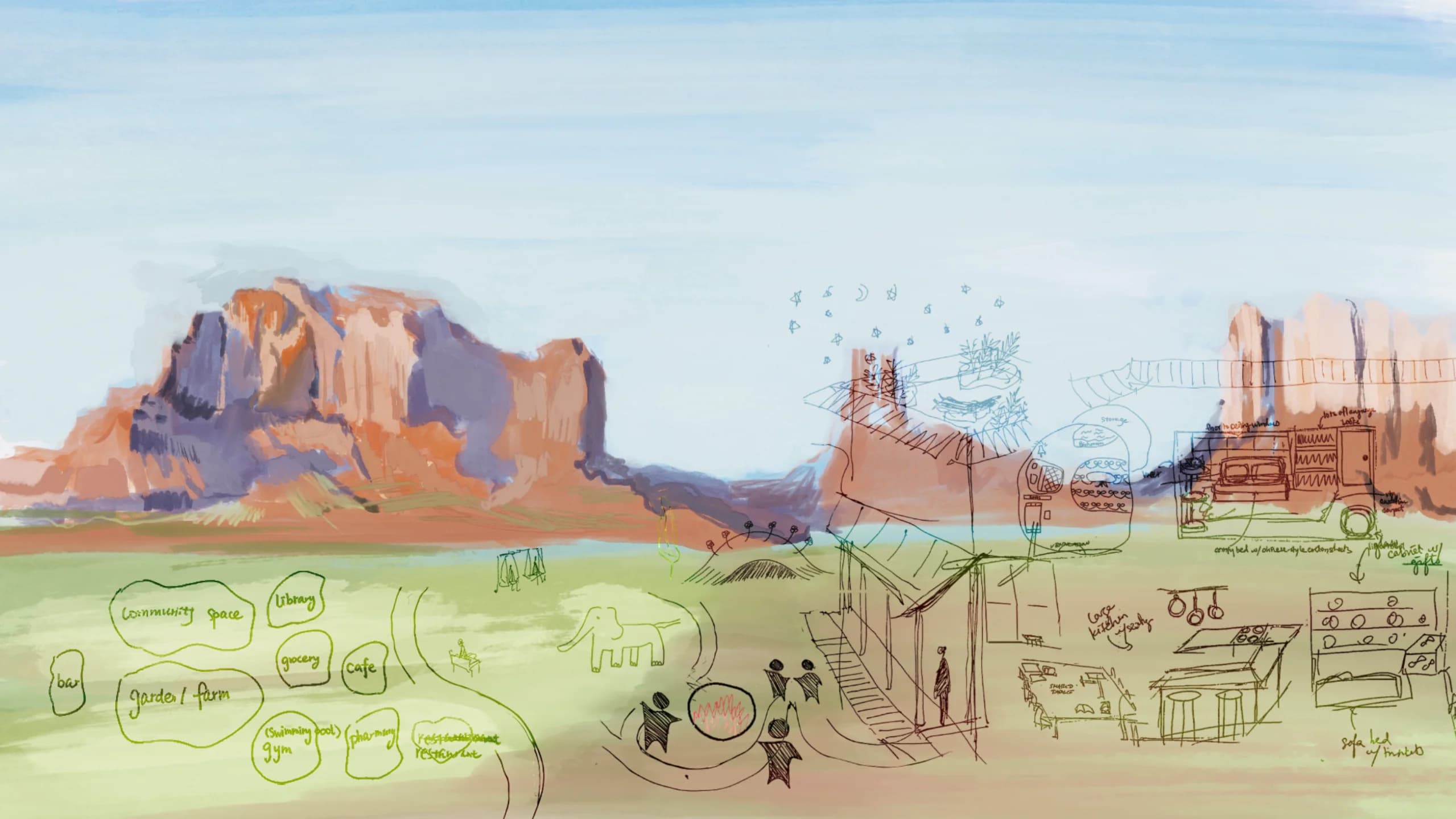
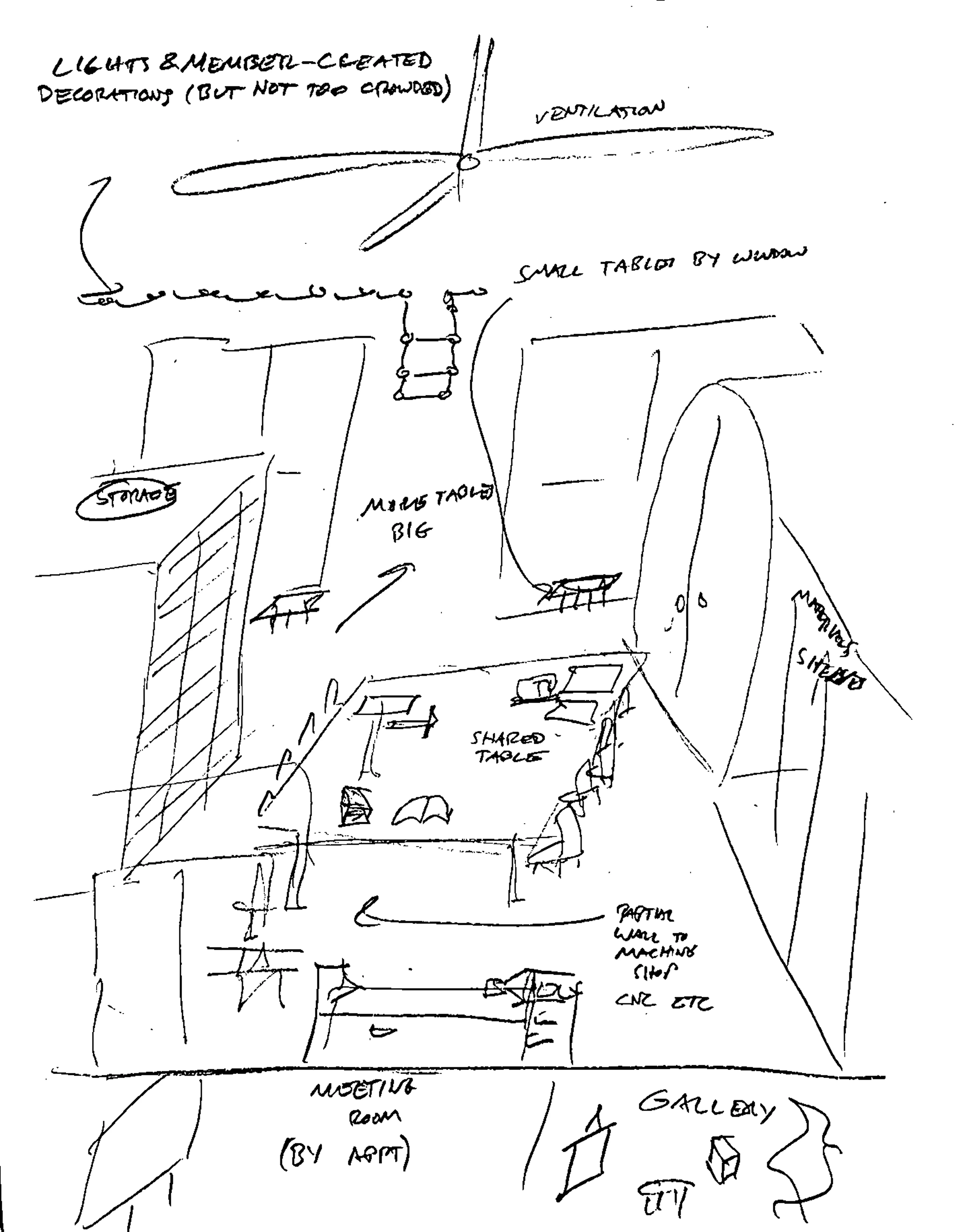
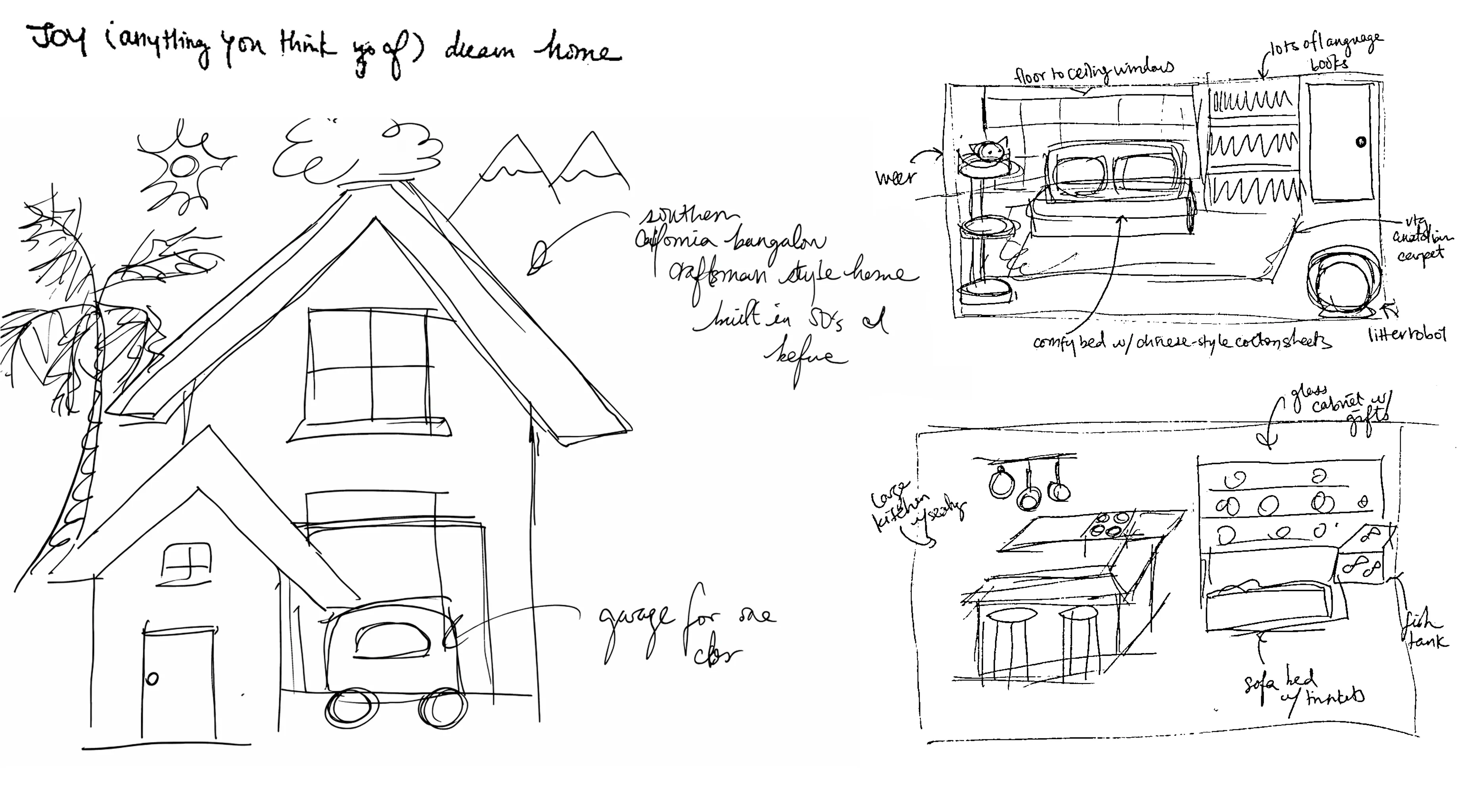
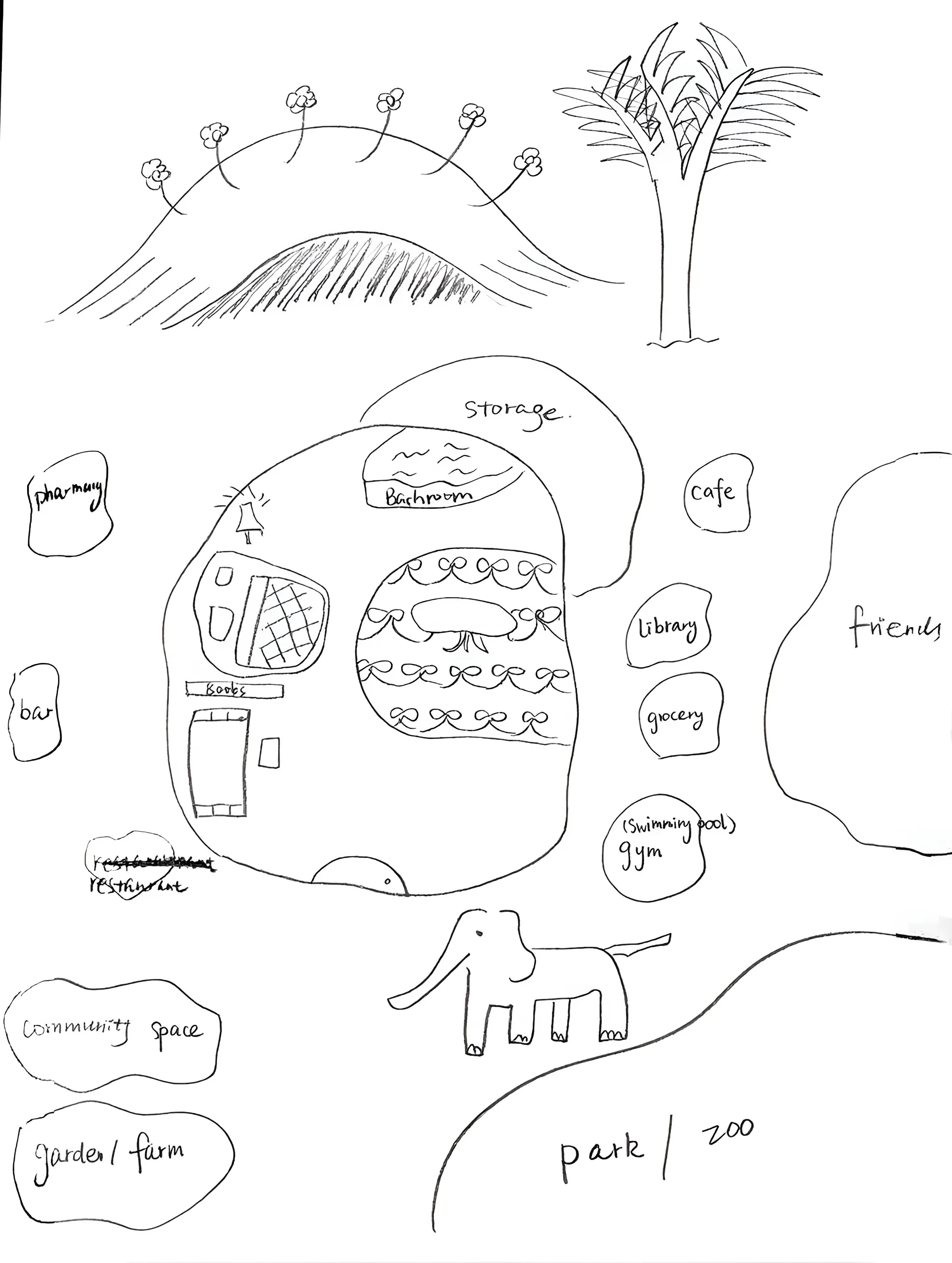
We spoke with seven Gen Z participants, and invited them to draw home.
What we heard was clear:
when material stability is missing, meaning takes on the extra weight.
Hover or tap to see what they said.
"where you live" isn't enough.
We spoke with seven Gen Z participants, and invited them to draw home.
What we heard was clear:
when material stability is missing, meaning takes on the extra weight.
Hover or tap to see what they said.
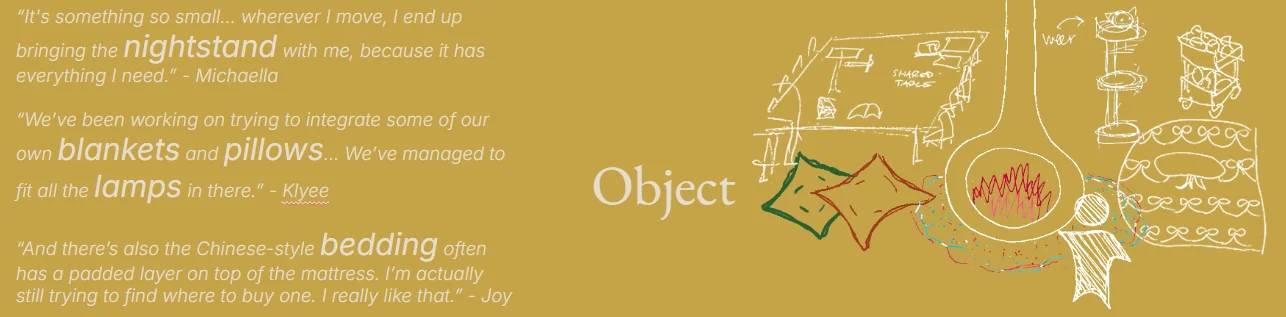
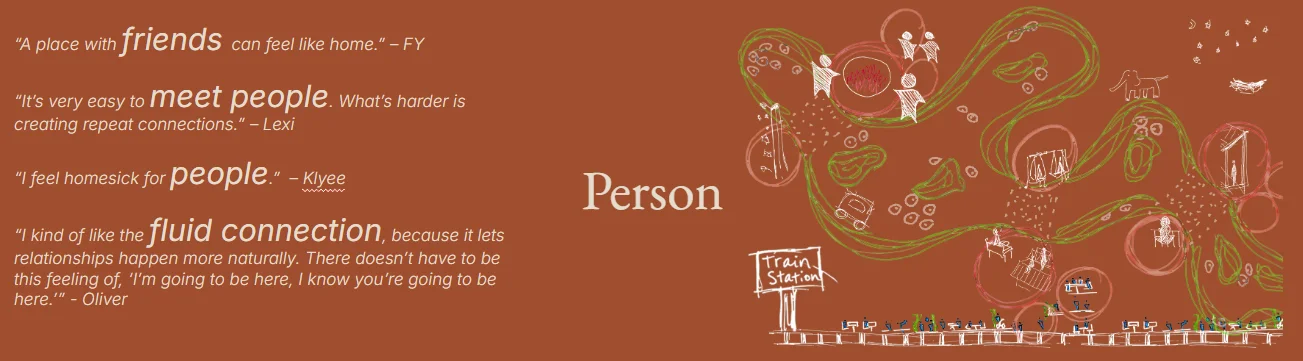
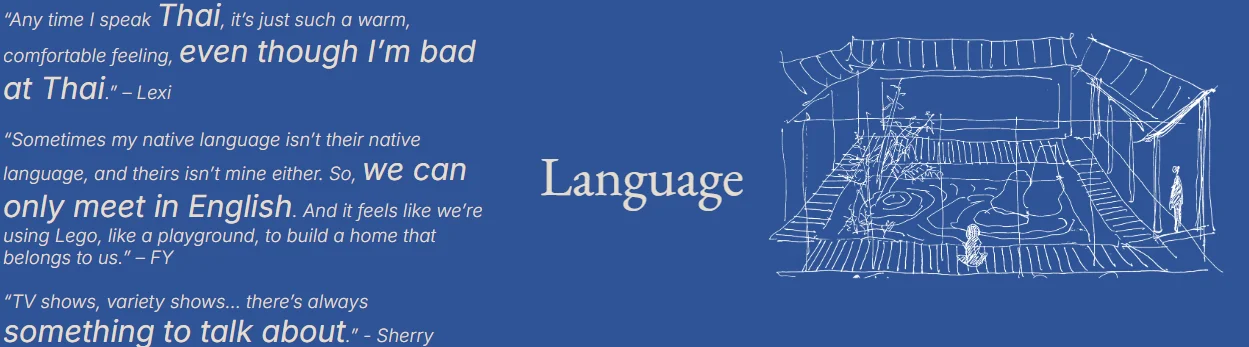
Belonging is...
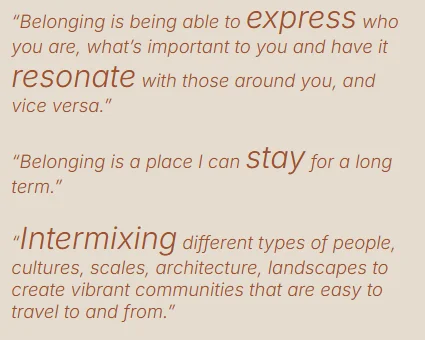
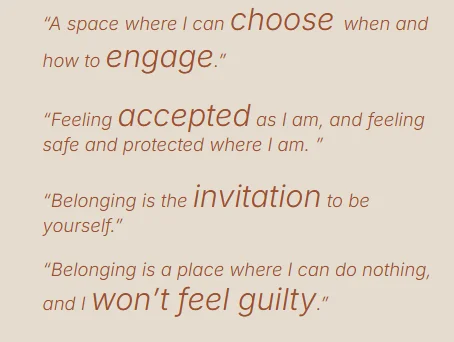
Under uncontrollable housing conditions,
people begin to link belonging to more controllable, more portable anchors of meaning.
Hover or tap to explore.
people begin to link belonging to more controllable, more portable anchors of meaning.
Hover or tap to explore.
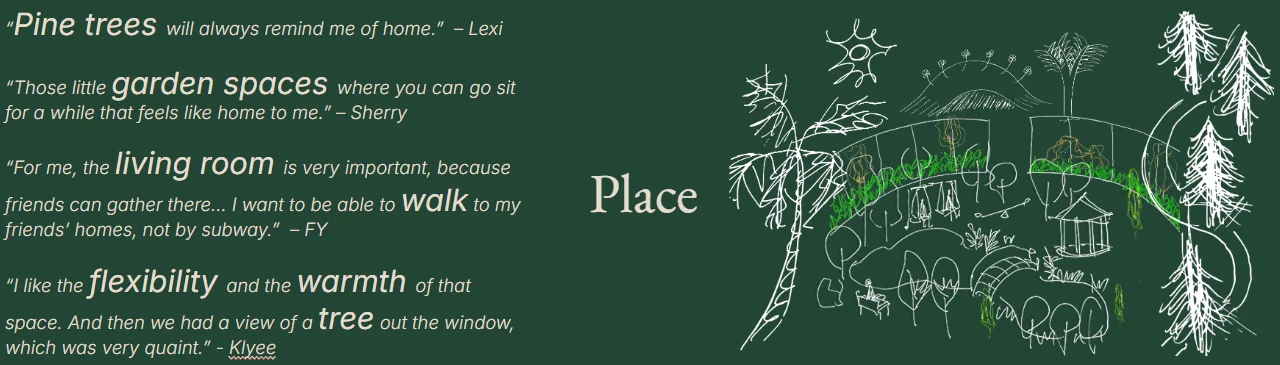
Place
Object
Person
Language
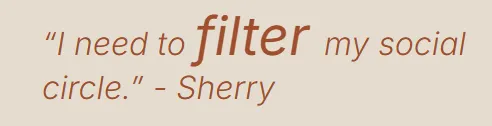
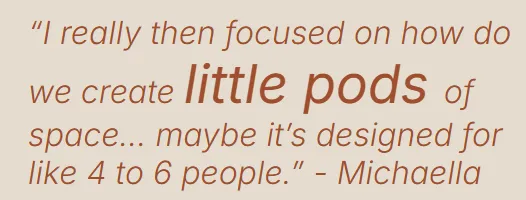
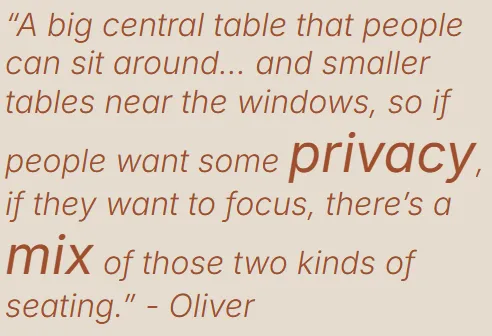
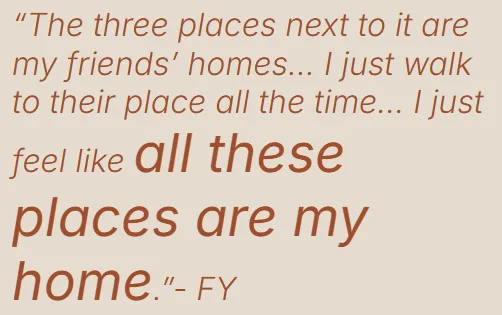
Belonging isn't about knowing more people.
For many Gen Z, what matters is whether connection can be optional, reversible, and repeatable.
Hover or tap to explore.
For many Gen Z, what matters is whether connection can be optional, reversible, and repeatable.
Hover or tap to explore.




When housing and living conditions
can no longer carry a sense of belonging,
people turn to meaning to fill the gap.
But a question soon emerges:
Can that meaning return to material reality?
can no longer carry a sense of belonging,
people turn to meaning to fill the gap.
But a question soon emerges:
Can that meaning return to material reality?
Some people place belonging in lighter spaces:
online relationships, content worlds…
When material conditions cannot keep up,
meaning first takes shape outside physical reality.
online relationships, content worlds…
When material conditions cannot keep up,
meaning first takes shape outside physical reality.
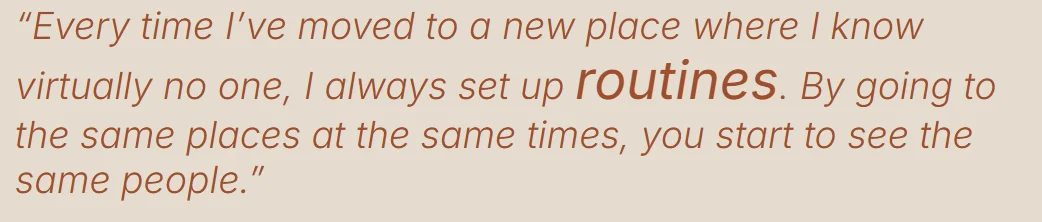
Others try to reconnect meaning to everyday life:
turning relationships into repeatable encounters,
preferences into executable routines,
and ideals into small-scale spatial arrangements.
turning relationships into repeatable encounters,
preferences into executable routines,
and ideals into small-scale spatial arrangements.
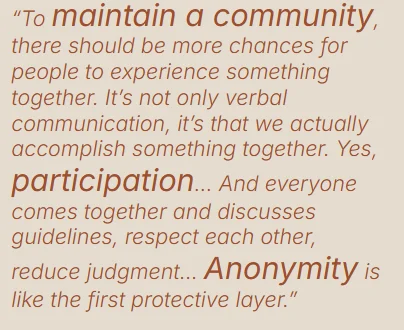
Some shift toward collective connection.
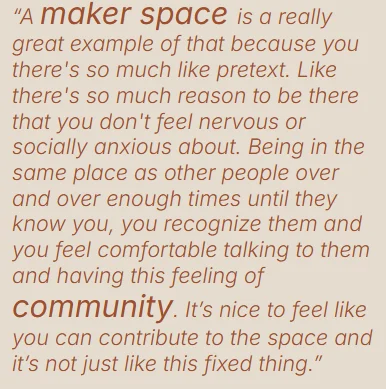
Belonging needs more than housing: shared spaces, low-barrier third places, and routines of collective care,
where people can gather, return, and build meaning through practice.
Reimagining belonging becomes something that can be tried, repeated, and built together.
Belonging needs more than housing: shared spaces, low-barrier third places, and routines of collective care,
where people can gather, return, and build meaning through practice.
Reimagining belonging becomes something that can be tried, repeated, and built together.

Belonging can return to reality,
but only when certain conditions are in place.
Across these stories,
the same needs surface again and again:
care, control, and continuity
Click to see their stories
but only when certain conditions are in place.
Across these stories,
the same needs surface again and again:
care, control, and continuity
Click to see their stories
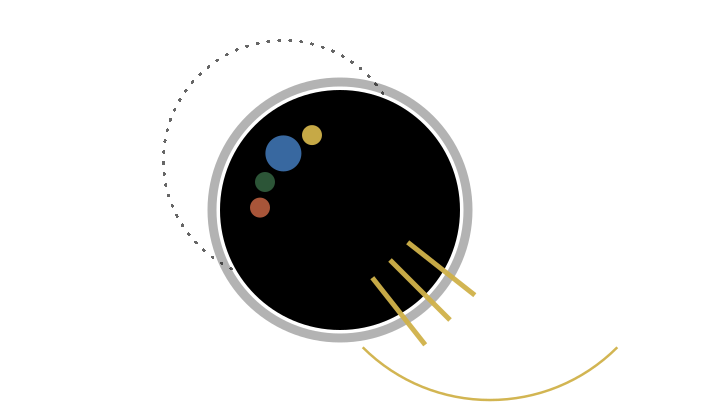
When those conditions can't coexist,
the limit isn't imagination,
but what the real world can support.
So, belonging stays in meaning,
in what we imagine, and what we scroll past.
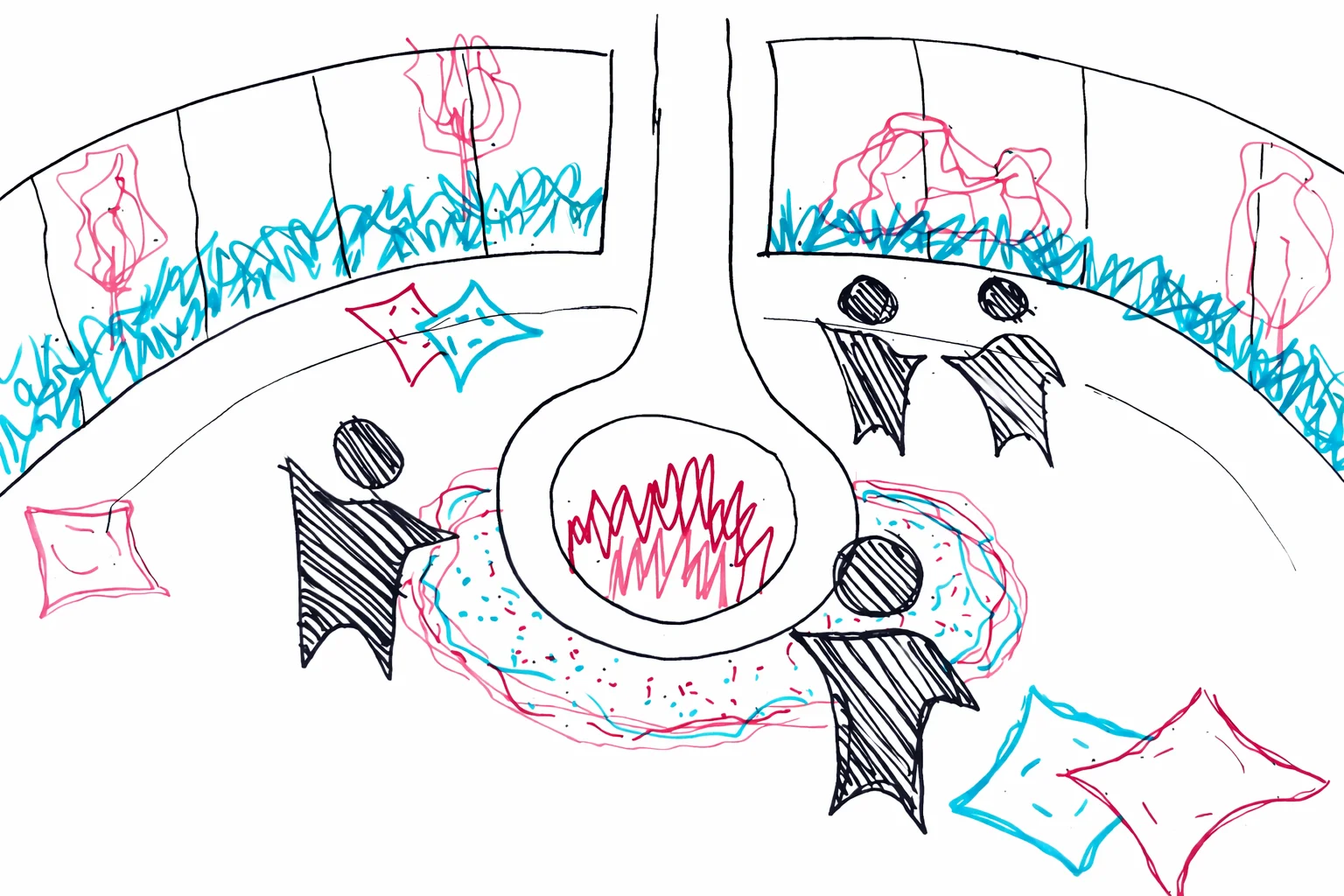
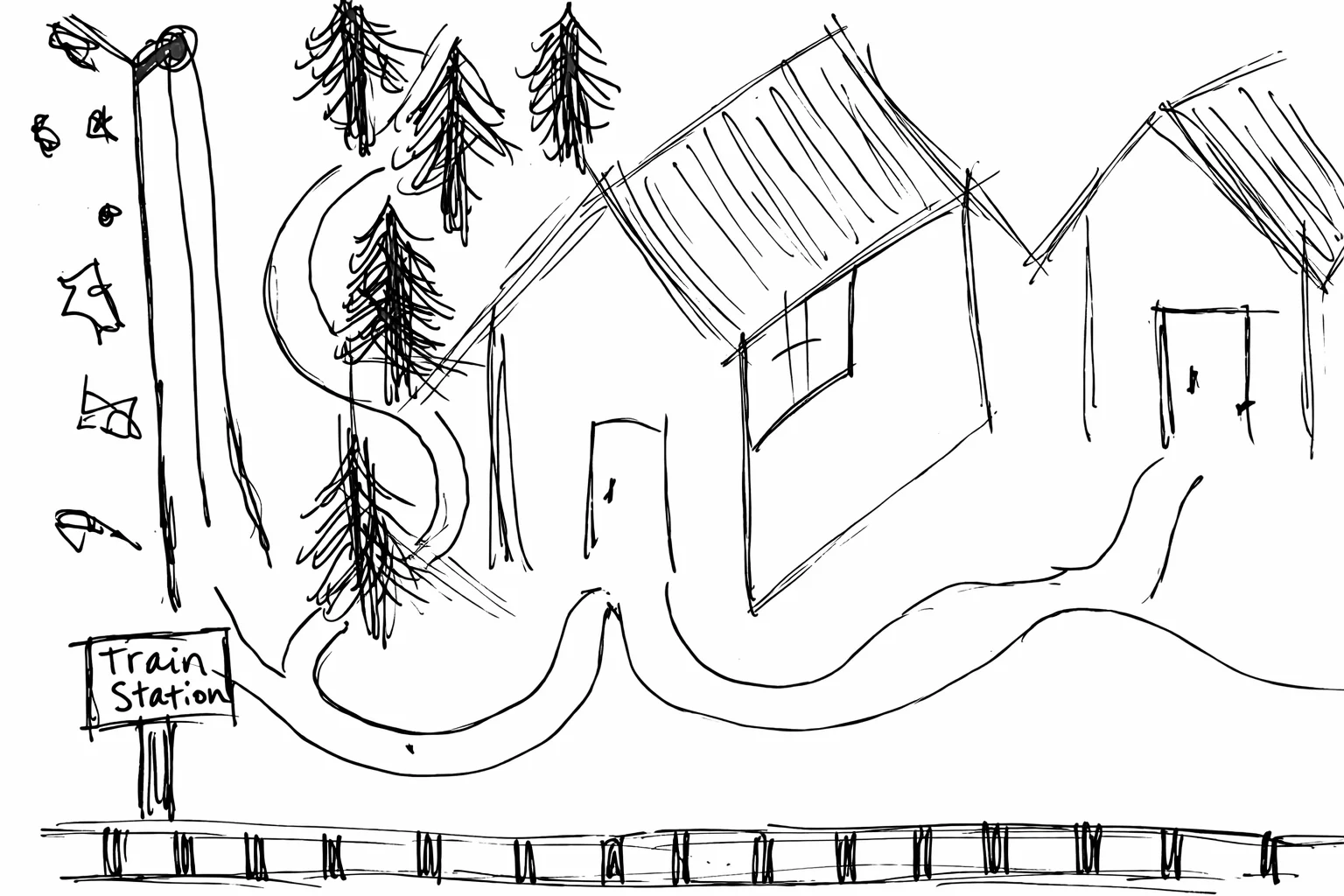
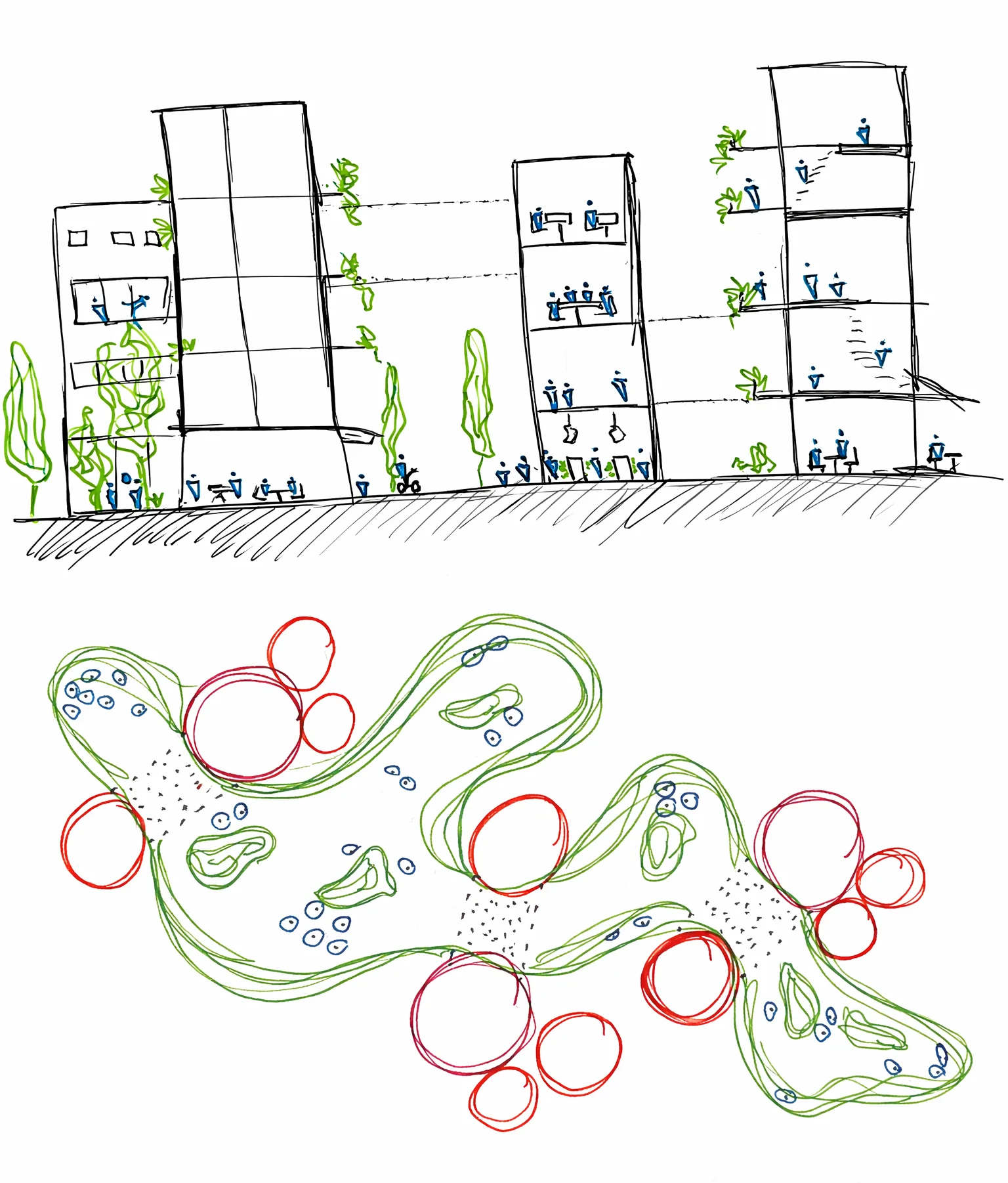
Click to see their ideal home drawings
the limit isn't imagination,
but what the real world can support.
So, belonging stays in meaning,
in what we imagine, and what we scroll past.
Click to see their ideal home drawings

Ready to build?
Apply for the Fellowship
Join a community of radical builders transforming land, housing, and belonging.
Get InvolvedBut what if those conditions could be co-built into place?
And this is where 500 Acres becomes more than research.
It becomes a model: land near national parks, hands-on training,
and housing kits that convert labor into ownership.
A place where Gen Z can not only imagine belonging,
but build it — with real tools, on real land, together.
It becomes a model: land near national parks, hands-on training,
and housing kits that convert labor into ownership.
A place where Gen Z can not only imagine belonging,
but build it — with real tools, on real land, together.
How does your belonging take shape?
Editing by Yuchun Zhang
With thanks to:
500 Acres, for hosting and supporting this fellowship research project.
Aidan Miller (500 Acres), for building the website and supporting its development.
The seven Gen Z participants who generously shared their time, stories, drawings, and reflections, making this project possible.
Additional thanks to collaborators and reviewers within the 500 Acres community who offered feedback, discussion, and care during development.
With thanks to:
500 Acres, for hosting and supporting this fellowship research project.
Aidan Miller (500 Acres), for building the website and supporting its development.
The seven Gen Z participants who generously shared their time, stories, drawings, and reflections, making this project possible.
Additional thanks to collaborators and reviewers within the 500 Acres community who offered feedback, discussion, and care during development.